
Digital Hiring Reform in Pakistan
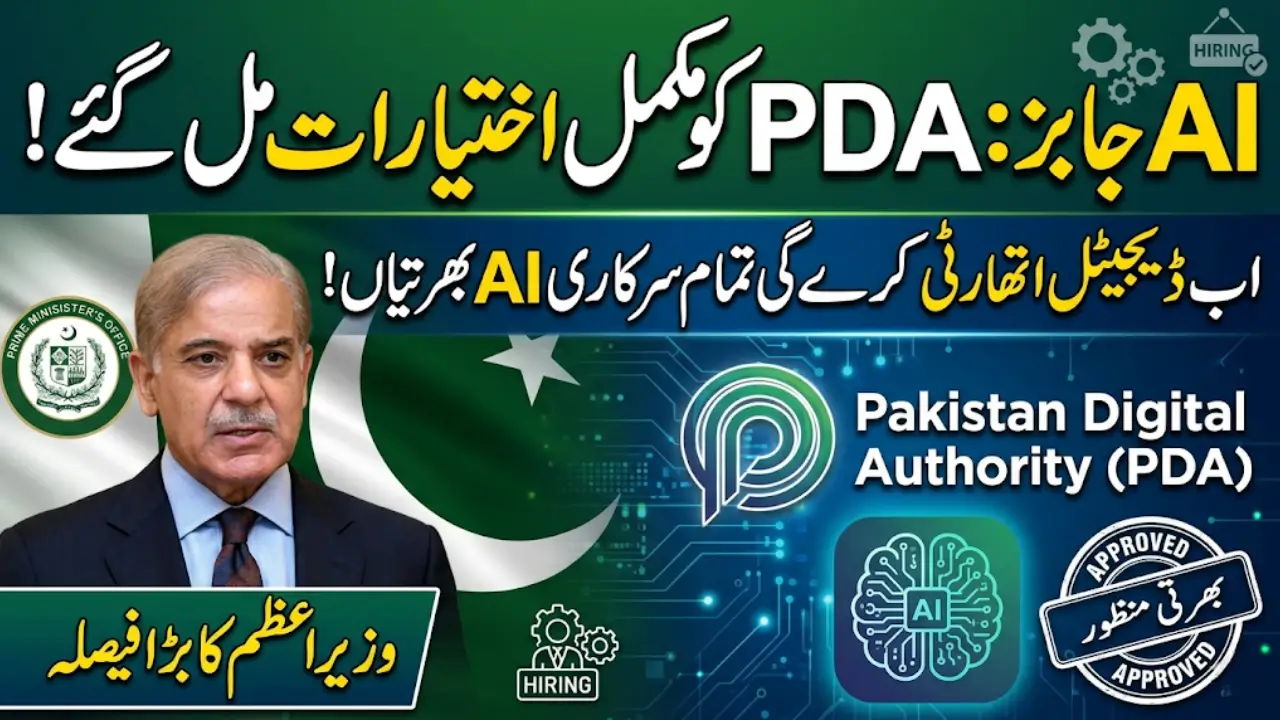
Pakistan is entering a new phase of digital transformation as the government strengthens control over artificial intelligence recruitment in the public sector. The Prime Minister’s decision to empower the Pakistan Digital Authority (PDA) with full hiring authority for AI-related positions signals a clear shift toward centralized and technology-driven governance. This reform is aimed at improving efficiency, transparency, and long-term planning in the country’s growing digital ecosystem.
Centralized AI Recruitment System
With the new policy in place, all AI job openings in federal departments will now go through a unified approval system managed by the Pakistan Digital Authority. This means ministries can no longer independently create or fill AI-related positions without technical clearance. The goal is to eliminate inconsistent hiring practices and ensure that every role aligns with national digital priorities and required skill standards.
پاکستان میں مصنوعی ذہانت کے شعبے کو منظم اور مضبوط بنانے کے لیے حکومت نے ایک اہم فیصلہ کیا ہے جس کے تحت پاکستان ڈیجیٹل اتھارٹی کو مکمل اختیارات دے دیے گئے ہیں کہ وہ سرکاری سطح پر تمام متعلقہ بھرتیوں کی نگرانی اور منظوری دے سکے۔ اس اقدام کا مقصد یہ ہے کہ ہر محکمے میں یکساں معیار کے مطابق ماہر افراد کا انتخاب کیا جائے اور بھرتی کے عمل میں شفافیت اور بہتری لائی جائے تاکہ ملک کے ڈیجیٹل نظام کو جدید تقاضوں کے مطابق آگے بڑھایا جا سکے۔
Strengthening Government Tech Structure
The move is designed to modernize how government institutions build their technology workforce. Instead of scattered recruitment efforts, AI talent acquisition will now follow a structured framework under one central authority. This allows better coordination between departments and helps maintain a consistent standard for technical expertise across all federal projects.
You Can Also Read ; Step-by-Step Guide to Getting a Green Property Certificate
Impact on AI Job Market
The decision is expected to directly influence Pakistan’s AI job landscape, especially within the public sector. As demand for digital transformation grows, this centralized system will shape how professionals enter government tech roles. It also highlights the importance of advanced skills in artificial intelligence, data science, and automation technologies for future applicants.
The reform brings several expected changes:
- Unified criteria for all AI-related government positions
- Stronger emphasis on technical qualifications and practical skills
- Improved transparency in hiring decisions and recruitment processes
اس نئی پالیسی کے بعد تمام سرکاری اداروں میں ٹیکنالوجی اور ذہانت پر مبنی ملازمتوں کے لیے ایک مرکزی نظام قائم ہو گیا ہے۔ اب کسی بھی محکمے کو براہ راست نئی آسامی بنانے یا افراد کو بھرتی کرنے کی اجازت نہیں ہوگی جب تک کہ پاکستان ڈیجیٹل اتھارٹی اس کی منظوری نہ دے دے۔ اس فیصلے سے نہ صرف بھرتی کے عمل میں نظم و ضبط آئے گا بلکہ ملک میں ڈیجیٹل ترقی کی رفتار بھی بہتر ہونے کی توقع ہے، اور اہل افراد کو ایک منصفانہ اور شفاف نظام کے تحت مواقع حاصل ہوں گے۔
Focus on Digital Transformation Goals
This policy is part of a broader strategy to accelerate Pakistan’s digital development. By giving PDA complete oversight of AI hiring, the government aims to ensure that every appointment contributes to national innovation goals. It also supports the long-term vision of integrating artificial intelligence into public services, decision-making systems, and administrative processes.
Opportunities for Skilled Professionals
For job seekers in the tech field, this shift creates a more organized and predictable hiring environment. Instead of fragmented opportunities across different departments, candidates will now face a centralized evaluation system. This may increase fairness in recruitment while also raising the overall quality of selected candidates in AI roles.
You Can Also Read : Punjab Launches Green School Initiative for Eco-Friendly Education
Future of AI Governance in Pakistan
As artificial intelligence continues to evolve, Pakistan’s approach indicates a stronger focus on regulation and strategic workforce development. The Pakistan Digital Authority is expected to play a key role in shaping not only hiring practices but also broader AI policy implementation across government sectors. This could lead to more advanced digital infrastructure and improved public service delivery in the coming years.
Conclusion
The decision to grant the Pakistan Digital Authority full control over AI hiring represents a major step in Pakistan’s digital reform journey. By centralizing recruitment and enforcing technical standards, the government is aiming to build a stronger and more capable AI workforce. If executed effectively, this initiative has the potential to improve governance, enhance transparency, and position Pakistan more competitively in the global digital economy.